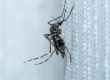


Mosquito borne diseases are becoming an increasing concern for homeowners in San Antonio, especially as local weather patterns continue to create ideal conditions for mosquito activity. The city’s muggy, tropical feel climate combined with frequent thunderstorms during Spring Showers contributes to an environment where mosquitoes can thrive for much of the year.
San Antonio’s geography also plays an important role. The San Antonio River and surrounding green corridors provide natural moisture sources that support mosquito populations. When these conditions are combined with periods of Low Water followed by sudden rainfall, standing water can accumulate in residential areas, creating additional breeding opportunities.
Homeowners in neighborhoods such as Alamo Heights, Stone Oak, and Terrell Hills often notice that mosquito activity increases quickly after weather changes. This is especially true during and after Spring Showers when humidity rises and outdoor spaces retain moisture for longer periods of time. These conditions allow mosquitoes to remain active and increase the likelihood of exposure to mosquito borne diseases.
Because mosquitoes are so well adapted to San Antonio’s environment, understanding how local climate and geography influence their behavior is an important step for homeowners. With consistent Mosquito Control strategies, including professional support from MosquitoNix, residents can better manage mosquito activity around their properties and reduce the conditions that allow mosquitoes to thrive.
How Spring Showers in San Antonio Fuel Mosquito Activity
Spring Showers in San Antonio play a major role in shaping mosquito activity throughout the season. While these warm seasonal rains are a familiar part of life in South Texas, they also create ideal conditions for mosquitoes to breed and spread, which increases the relevance of mosquito borne diseases for local homeowners.
San Antonio’s frequent thunderstorms contribute to rapid changes in outdoor environments. Rainwater often collects in low lying areas, clogged gutters, flower pots, and outdoor items left in yards. When this standing water is combined with the region’s muggy, tropical feel climate, it creates a highly favorable environment for mosquito development.
The effects of Spring Showers are often most noticeable in residential areas where drainage may be inconsistent or where landscaping creates pockets for water to gather. Neighborhoods such as Alamo Heights, Stone Oak, and Terrell Hills frequently experience increases in mosquito activity following periods of heavy rainfall, especially when warm temperatures return quickly afterward.
Low Water conditions can also contribute to mosquito population spikes. When water levels fluctuate rapidly, stagnant pockets of water can form along the San Antonio River and in surrounding green spaces. These areas become additional breeding grounds that support mosquito growth across nearby neighborhoods.
As mosquito populations increase after Spring Showers, the risk of exposure to mosquito borne diseases also rises. This is why consistent Mosquito Control becomes important during this time of year. Homeowners often notice that traditional prevention methods alone may not fully address the rapid population increases that follow seasonal rainfall patterns.
Professional solutions such as Mosquito Misting Systems can help manage mosquito activity more consistently around residential properties. MosquitoNix also provides QuickNix Mosquito Treatments designed to address sudden increases in mosquito populations that often occur after storms, helping homeowners maintain better control during peak mosquito activity periods.
Understanding What Mosquito Borne Diseases Are
Mosquito borne diseases are illnesses that are transmitted to humans through the bite of an infected mosquito. When a mosquito feeds on a person, it can pass along viruses or parasites that were previously acquired from another infected host. In warm climates like San Antonio, where mosquitoes remain active for much of the year, understanding these diseases is an important part of homeowner awareness.
The reason mosquito borne diseases are a concern in areas like San Antonio is due to the consistent presence of mosquitoes supported by the local environment. The muggy, tropical feel climate, combined with frequent thunderstorms during Spring Showers, creates conditions that allow mosquito populations to remain active and stable over long periods of time.
Not all mosquitoes carry disease, but certain species are more commonly associated with transmission. In South Texas, mosquitoes that thrive in standing water around residential areas and natural waterways such as the San Antonio River can increase the likelihood of exposure. This is why Mosquito Control is often emphasized for homeowners who spend time outdoors.
Mosquito borne diseases vary widely in severity and type. Some may cause mild symptoms while others can lead to more serious health complications. The risk level depends on factors such as the specific virus or parasite involved, the local mosquito population, and environmental conditions that support mosquito breeding.
For homeowners in neighborhoods like Alamo Heights, Stone Oak, and Terrell Hills, awareness of how mosquitoes interact with the local environment is key. Seasonal rainfall, particularly during Spring Showers, can quickly change mosquito activity levels, which is why ongoing prevention efforts are often necessary.
Effective Mosquito Control strategies, including Mosquito Misting Systems and QuickNix Mosquito Treatments from MosquitoNix, are commonly used to help reduce mosquito populations around residential properties and limit exposure opportunities during peak activity periods.
Common Mosquito Borne Diseases Homeowners Should Know About
Mosquito borne diseases vary in type and severity, but several are commonly referenced when discussing public health risks in areas where mosquitoes are active throughout much of the year. In San Antonio, where Spring Showers and a muggy, tropical feel climate support ongoing mosquito activity, homeowners benefit from understanding the most well known illnesses associated with mosquito exposure.
When people ask what the five mosquito borne diseases are, they are typically referring to a group of well known illnesses that occur in different parts of the world. These can include West Nile virus, dengue fever, malaria, Zika virus, and chikungunya. While not all of these are equally common in San Antonio, West Nile virus is the most frequently reported mosquito borne illness in Texas and is the primary concern for local mosquito exposure awareness.
Among these, West Nile virus is often considered the most common disease transmitted by mosquitoes in the United States. It is typically spread through infected mosquitoes that have fed on birds and then bite humans. In San Antonio, the presence of standing water after Spring Showers can increase mosquito populations that may contribute to transmission risk, especially during peak season.
Other mosquito borne diseases are less common in South Texas but are still important to understand in a broader context. Diseases such as dengue fever and Zika virus are more frequently associated with tropical and subtropical regions, but travel and environmental conditions can influence their presence in certain areas.
Understanding these illnesses helps homeowners recognize why Mosquito Control is an important part of maintaining outdoor living spaces. In neighborhoods such as Alamo Heights, Stone Oak, and Terrell Hills, mosquito activity can increase quickly after storms, making prevention efforts especially relevant during periods of frequent thunderstorms.
By managing mosquito populations around the home with consistent prevention strategies, including Mosquito Misting Systems and QuickNix Mosquito Treatments from MosquitoNix, homeowners can reduce exposure opportunities and better navigate the risks associated with mosquito borne diseases during the Spring Showers season.
Symptoms and Warning Signs of Mosquito Borne Illness
Recognizing the early signs of mosquito borne diseases is important for San Antonio homeowners, especially during periods of increased mosquito activity driven by Spring Showers and the city’s muggy, tropical feel climate. While many mosquito bites result in mild irritation, certain mosquito borne illnesses can produce symptoms that require closer attention.
Common symptoms associated with mosquito borne diseases can vary depending on the specific illness, but often include fever, fatigue, headache, muscle aches, joint pain, and in some cases rash or nausea. These symptoms may appear a few days to a couple of weeks after being bitten by an infected mosquito.
One challenge for homeowners in areas like Alamo Heights, Stone Oak, and Terrell Hills is that mosquito exposure often increases after frequent thunderstorms. When Spring Showers leave behind standing water near the San Antonio River and surrounding residential areas, mosquito populations can rise quickly, increasing the chance of bites during outdoor activities.
It is important to understand that mosquito bites alone do not confirm illness. However, if symptoms develop after known mosquito exposure, especially during peak mosquito season, it is advisable to monitor changes in health closely. This is particularly relevant in regions with ongoing Mosquito Control concerns, where mosquito activity remains elevated for extended periods.
Severe cases of mosquito borne diseases may include symptoms such as high fever, confusion, or difficulty recovering over time. While these cases are less common, awareness helps homeowners respond appropriately if symptoms worsen.
Because mosquito activity in San Antonio can fluctuate rapidly due to weather conditions, prevention remains a key strategy. Consistent Mosquito Control around the home, including the use of Mosquito Misting Systems and QuickNix Mosquito Treatments from MosquitoNix, can help reduce mosquito exposure and limit the likelihood of encountering infected mosquitoes during high activity periods.
The Most Serious and Rare Mosquito Borne Diseases
Mosquito borne diseases range widely in severity, and while most mosquito related illnesses in the United States are uncommon in San Antonio, understanding the more serious and rare conditions helps homeowners stay informed during the Spring Showers season. In a city with a muggy, tropical feel climate and frequent thunderstorms, mosquito activity can increase quickly, making awareness an important part of overall Mosquito Control.
One of the most serious mosquito borne diseases globally is malaria. It is responsible for a significant number of illnesses worldwide, though it is not considered common in San Antonio or most of the United States. Another severe illness is dengue fever, which can cause intense flu like symptoms and is more common in tropical and subtropical regions. While local transmission in San Antonio is rare, travel related cases can occasionally be reported.
West Nile virus remains the most significant mosquito borne disease in Texas. Although many cases are mild or without symptoms, it can lead to serious neurological complications in a small number of cases. This is why it is often the primary focus of local mosquito monitoring efforts, especially during periods of increased mosquito activity following Spring Showers and frequent thunderstorms.
There are also rare mosquito borne diseases that occur in limited regions or under specific environmental conditions. These include illnesses such as Eastern equine encephalitis and La Crosse virus. These diseases are uncommon in South Texas but are still part of broader mosquito borne disease awareness discussions.
In San Antonio, neighborhoods such as Alamo Heights, Stone Oak, and Terrell Hills may experience increased mosquito activity after rainfall events, particularly when Low Water conditions shift rapidly and create standing water near residential areas or along the San Antonio River. These environmental changes can influence mosquito populations even when rare diseases are not present.
Because the risk of mosquito exposure increases during peak seasonal conditions, consistent Mosquito Control remains essential. Solutions such as Mosquito Misting Systems and QuickNix Mosquito Treatments from MosquitoNix help reduce mosquito populations around the home, lowering exposure opportunities during periods when mosquito activity is highest.
How Mosquito Control Reduces Risk During Spring Showers
Reducing exposure to mosquito borne diseases in San Antonio requires consistent attention to Mosquito Control, especially during the Spring Showers season when frequent thunderstorms and a muggy, tropical feel climate create ideal conditions for mosquito activity. Homeowners across neighborhoods such as Alamo Heights, Stone Oak, and Terrell Hills often see mosquito populations rise quickly after rainfall, particularly in areas near the San Antonio River or locations affected by Low Water conditions that leave behind standing water.
Effective Mosquito Control focuses on reducing both mosquito breeding sites and adult mosquito activity around the home. Simple steps such as removing standing water and maintaining outdoor spaces can help, but they are often not enough on their own during peak mosquito season in South Texas. This is why many homeowners look for more comprehensive solutions to manage ongoing mosquito pressure.
Mosquito Misting Systems provide a consistent approach to managing mosquito activity around residential properties. These systems are designed to treat areas where mosquitoes rest and breed, helping reduce populations over time. MosquitoNix offers advanced Mosquito Misting Systems that are designed for local conditions in San Antonio, where weather patterns can shift quickly and support rapid mosquito growth.
In addition, QuickNix Mosquito Treatments offer a fast response option for periods when mosquito activity increases suddenly after storms. These treatments are especially useful during Spring Showers when mosquito populations can spike in a short period of time, increasing the likelihood of exposure to mosquito borne diseases.
Conclusion
Mosquito borne diseases remain an How Mosquito Control Reduces Risk During Spring Showers
Reducing exposure to mosquito borne diseases in San Antonio requires consistent attention to Mosquito Control, especially during the Spring Showers season when frequent thunderstorms and a muggy, tropical feel climate create ideal conditions for mosquito activity. Homeowners across neighborhoods such as Alamo Heights, Stone Oak, and Terrell Hills often see mosquito populations rise quickly after rainfall, particularly in areas near the San Antonio River or locations affected by Low Water conditions that leave behind standing water.
Effective Mosquito Control focuses on reducing both mosquito breeding sites and adult mosquito activity around the home. Simple steps such as removing standing water and maintaining outdoor spaces can help, but they are often not enough on their own during peak mosquito season in South Texas. This is why many homeowners look for more comprehensive solutions to manage ongoing mosquito pressure.
Mosquito Misting Systems provide a consistent approach to managing mosquito activity around residential properties. These systems are designed to treat areas where mosquitoes rest and breed, helping reduce populations over time. MosquitoNix offers advanced Mosquito Misting Systems that are designed for local conditions in San Antonio, where weather patterns can shift quickly and support rapid mosquito growth.
In addition, QuickNix Mosquito Treatments offer a fast response option for periods when mosquito activity increases suddenly after storms. These treatments are especially useful during Spring Showers when mosquito populations can spike in a short period of time, increasing the likelihood of exposure to mosquito borne diseases.
Important Consideration for San Antonio Homeowners
Mosquito borne diseases remain an important consideration for San Antonio homeowners due to the city’s climate, geography, and seasonal weather patterns. The combination of Spring Showers, frequent thunderstorms, and a consistently muggy environment allows mosquitoes to remain active for extended periods throughout the year. As a result, understanding how mosquitoes behave and how they spread disease is an important part of protecting your outdoor living spaces.
While awareness is the first step, consistent action is what helps reduce mosquito pressure over time. By addressing breeding conditions and managing mosquito populations around the home, homeowners can significantly reduce exposure risks and improve their ability to enjoy outdoor areas.
MosquitoNix provides proven solutions designed to help homeowners take back their backyards. With Mosquito Misting Systems and QuickNix Mosquito Treatments, MosquitoNix supports effective Mosquito Control tailored to the specific challenges of San Antonio’s environment.
If mosquitoes are limiting your time outdoors, now is the time to take action. Contact MosquitoNix today to learn how a customized mosquito control plan can help you reduce mosquito activity and regain comfort in your outdoor spaces throughout the Spring Showers season and beyond.
Due to the city’s climate, geography, and seasonal weather patterns. The combination of Spring Showers, frequent thunderstorms, and a consistently muggy environment allows mosquitoes to remain active for extended periods throughout the year. As a result, understanding how mosquitoes behave and how they spread disease is an important part of protecting your outdoor living spaces.
While awareness is the first step, consistent action is what helps reduce mosquito pressure over time. By addressing breeding conditions and managing mosquito populations around the home, homeowners can significantly reduce exposure risks and improve their ability to enjoy outdoor areas.
MosquitoNix San Antonio provides proven solutions designed to help homeowners take back their backyards. With Mosquito Misting Systems and QuickNix Mosquito Treatments, MosquitoNix supports effective Mosquito Control tailored to the specific challenges of San Antonio’s environment.
If mosquitoes are limiting your time outdoors, now is the time to take action. Contact MosquitoNix San Antonio today to learn how a customized mosquito control plan can help you reduce mosquito activity and regain comfort in your outdoor spaces throughout the Spring Showers season and beyond.