
If you live in San Antonio, you already know that mosquitoes are more than a minor nuisance. They are a persistent problem that can quickly take over your outdoor space and limit how you enjoy your own backyard. In a region known for its humid subtropical climate, mosquito activity is not just common, it is intense and long lasting.
From late spring through the peak of summer, mosquito pressure across the city reaches high to extreme levels. Warm temperatures combined with humidity create ideal breeding conditions, especially after periods of flash flooding or sudden rain. Even during drought and heat waves, mosquitoes remain active by seeking out shaded, irrigated areas around homes. This means that whether you are in Stone Oak, Boerne, or closer to central neighborhoods like King William and Denver Heights, your yard can become a breeding ground faster than you might expect.
San Antonio homeowners value their outdoor living spaces. From backyard barbecues to relaxing evenings on the patio, areas like Alamo Ranch and Oak Park Northwood are designed for enjoying time outside. But without an effective backyard mosquito treatment, those spaces often go unused during the very months they should be enjoyed most.
The challenge is even more noticeable for homeowners in areas like Alamo Heights and along the Hill Country edge, where lush landscaping and natural terrain can make mosquito problems even more difficult to control. Understanding why mosquitoes are so aggressive in this region is the first step toward finding a solution that actually works.
Why Mosquitoes Thrive in San Antonio Backyards
Mosquitoes are not randomly appearing in your yard. In San Antonio, the environment is almost perfectly designed to support rapid mosquito breeding and survival. When you combine climate, landscape, and lifestyle, it becomes clear why backyard mosquito treatment is not optional for many homeowners.
One of the biggest factors is the region’s humid subtropical climate. Warm temperatures arrive early in the year and stay well into the fall, creating a long breeding season. By late spring, mosquito populations begin to surge, and without consistent mosquito control, they quickly reach overwhelming levels during the summer months.
Water is another major driver. San Antonio weather patterns often swing between heavy rain and dry spells. After flash flooding, even small pockets of standing water can become breeding sites within days. Common problem areas include:
- Clogged gutters and downspouts
- Low spots in lawns and landscaping
- Plant trays and decorative pots
- Birdbaths and fountains
- Drainage areas near patios and fences
Even during drought and heat waves, mosquitoes do not disappear. Instead, they adapt. Irrigation systems, shaded yards, and dense landscaping in neighborhoods like Alamo Ranch and Oak Park Northwood provide enough moisture and protection for mosquitoes to continue breeding and resting throughout the day.
Geography also plays a role. Homes along the Hill Country edge, including areas like Boerne, often have more natural vegetation, uneven terrain, and pockets where water can collect. These conditions make it harder to fully eliminate breeding sites. In more established neighborhoods such as King William and Denver Heights, mature trees and historic landscaping can create shaded environments where mosquitoes thrive.
Lifestyle patterns in San Antonio further contribute to the issue. Outdoor living is a major part of daily life, especially in communities like Stone Oak. Patios, outdoor kitchens, and shaded seating areas are all ideal places for mosquitoes to gather near people. The more time spent outside, the more noticeable and disruptive the problem becomes.
All of these factors combined mean that mosquitoes are not just passing through your yard. They are living, breeding, and multiplying there. That is why effective backyard mosquito treatment in San Antonio requires more than occasional fixes. It requires a strategy designed for the unique conditions of this region.
How to Get Rid of Mosquitoes in Your Backyard Fast DIY Options
When mosquitoes suddenly take over your yard in San Antonio, most homeowners want quick relief. DIY methods can help reduce mosquito activity fast, especially when the problem is just starting or after a recent rain event. However, in a region with high mosquito pressure like Alamo Heights and the Hill Country edge, these solutions usually work best as short term support rather than complete mosquito control.
The fastest DIY steps focus on removing what mosquitoes need to breed and rest. Start with standing water. Even small amounts can produce mosquitoes within days in San Antonio’s warm climate. Check your yard carefully and empty or refresh anything that holds water.
Quick actions include:
- Dumping water from plant saucers, buckets, and toys
- Cleaning clogged gutters where water collects
- Refreshing birdbaths at least every few days
- Checking irrigation overspray and low drainage spots
- Uncovering or properly storing containers that collect rain
Next, reduce the areas where adult mosquitoes hide during the day. In neighborhoods like Stone Oak and Oak Park Northwood, dense landscaping and shaded patios can give mosquitoes plenty of places to rest close to where people gather. Trimming overgrown shrubs and improving airflow around seating areas can make a noticeable difference.
You can also use fans on patios or outdoor seating areas. Mosquitoes are weak fliers, and consistent airflow can help reduce how many are able to land near you. This is especially helpful during warm evenings common across San Antonio.
Some homeowners also use store bought repellents or citronella based products. These can provide temporary relief but tend to be inconsistent in effectiveness, especially during peak mosquito season from late spring through summer.
DIY methods can help you regain control quickly after a spike in activity, but in areas like Pearl and Midtown or near the Hill Country edge, mosquitoes often return quickly without a more structured backyard mosquito treatment plan. That is because DIY approaches do not address the larger breeding cycle happening throughout the neighborhood environment.
This is why many homeowners use fast DIY steps as a first response, then follow up with more comprehensive mosquito control solutions when the problem persists.
How to Keep Mosquitoes Away in Backyards Long Term
Short term fixes can reduce mosquito activity, but keeping your backyard consistently comfortable in San Antonio requires a longer term approach. Because the local climate supports mosquito breeding for much of the year, prevention has to be ongoing rather than occasional.
The foundation of long term mosquito control is eliminating breeding conditions on a regular basis. In neighborhoods like Alamo Ranch, Stone Oak, and Oak Park Northwood, where landscaping and irrigation are common, small oversights can quickly restart the mosquito cycle.
Homeowners should focus on consistent yard maintenance, including:
- Weekly checks for standing water after rain or irrigation
- Keeping gutters and drains clear throughout mosquito season
- Maintaining proper drainage in low areas of the yard
- Adjusting sprinkler systems to avoid oversaturation
- Refreshing or removing water features that are not actively maintained
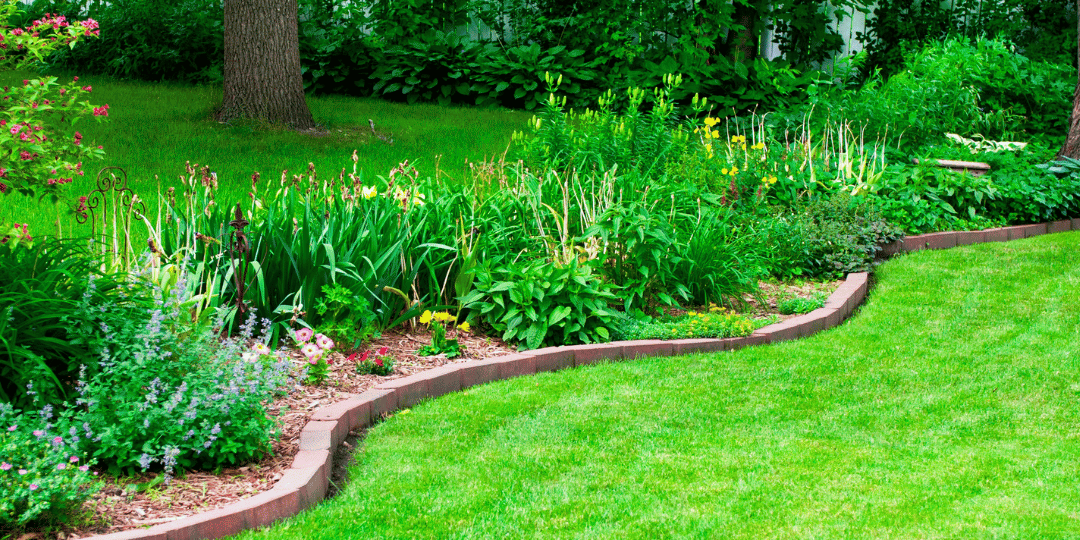
Landscaping also plays an important role. Mosquitoes prefer shaded, humid resting areas during the day. In areas like King William and Denver Heights, where mature trees and dense vegetation are common, improving airflow can help reduce hiding spots. Trimming shrubs, thinning dense plants, and keeping grass well maintained can make a noticeable difference over time.
Outdoor habits matter as well. Evening gatherings are a big part of life across San Antonio, especially in places like Stone Oak and along the Hill Country edge. Keeping patio areas clean, minimizing clutter, and using fans to increase airflow can help reduce mosquito presence during peak activity hours.
It is also important to recognize that mosquito pressure in San Antonio is not constant. It builds quickly after flash flooding events and can persist through long stretches of heat and drought. This means even well maintained yards can experience sudden spikes in mosquito activity if nearby conditions shift.
Because of this, many homeowners move beyond basic maintenance and look for structured mosquito control solutions that provide consistent coverage throughout the season. That is where more advanced systems and treatments become part of a long term strategy rather than relying on occasional DIY efforts alone.
Is It Worth Spraying Your Yard for Mosquitoes in San Antonio
For many San Antonio homeowners, especially in areas like Alamo Heights, Stone Oak, and Oak Park Northwood, spraying the yard for mosquitoes often becomes a question of value versus results. With mosquito pressure reaching high to extreme levels from late spring through summer, occasional DIY spraying usually does not provide lasting relief.
The reality is that yard spraying can be worth it, but only when it is done consistently and as part of a broader mosquito control strategy. One time applications may reduce mosquito activity temporarily, but they do not address the ongoing breeding cycle that is common in the humid subtropical climate of San Antonio.
After events like flash flooding, mosquito populations can rebound quickly because new breeding sites form almost immediately. Even during drought and heat waves, shaded and irrigated areas in neighborhoods like Alamo Ranch, Denver Heights, and Pearl and Midtown can continue to support mosquito activity. This means spraying once in a while rarely keeps up with the local conditions.
When comparing approaches, homeowners often find:
- DIY spraying offers short term relief but requires frequent reapplication
- Over the counter products may not reach hidden resting areas in dense landscaping
- Professional mosquito control programs provide more consistent coverage across the yard environment
In communities along the Hill Country edge, including Boerne and surrounding areas, uneven terrain and natural vegetation make it even harder for surface level treatments to reach all mosquito habitats. In these cases, spraying alone is often not enough to manage the problem effectively.
This is why many homeowners in San Antonio eventually move toward structured solutions like Mosquito Misting Systems or scheduled services such as QuickNix Mosquito Treatments. These approaches focus on consistent, targeted mosquito control rather than reacting after populations spike.
So, is it worth spraying your yard for mosquitoes in San Antonio. The answer is yes, but only when it is part of an ongoing plan that matches the intensity of the local mosquito season. Otherwise, results tend to be temporary and unpredictable, especially during peak summer months.
What Is the Most Effective Backyard Mosquito Treatment
When homeowners in San Antonio start looking for real relief, the question quickly becomes what actually works long term. With mosquito pressure staying high from late spring through summer, the most effective backyard mosquito treatment is one that targets both adult mosquitoes and the areas where they breed and rest.
In this region, where humid subtropical conditions support rapid mosquito development, surface level solutions often fall short. That is why many homeowners move toward more comprehensive systems that provide consistent coverage throughout the yard environment.
One of the most effective approaches is a professionally installed Mosquito Misting System. These systems are designed to automatically release targeted treatments at scheduled intervals around key areas of the property. Instead of reacting to mosquito outbreaks, the system works continuously to reduce mosquito populations before they become overwhelming. This is especially valuable in neighborhoods like Stone Oak, Alamo Ranch, and Oak Park Northwood, where outdoor living spaces are heavily used throughout the season.
Another effective option is structured service programs like QuickNix Mosquito Treatments. These treatments are designed for rapid reduction of mosquito activity, making them useful after heavy rain events or when mosquito populations spike following flash flooding. In areas along the Hill Country edge, including Boerne, where terrain and vegetation can make mosquito control more challenging, quick response treatments can help restore comfort faster.
Compared to DIY methods, these professional approaches offer several advantages:
- More consistent coverage across the entire yard
- Better reach into shaded and hard to access areas
- Ongoing reduction of mosquito breeding pressure over time
- Less reliance on frequent manual reapplication
San Antonio’s climate makes mosquito control a continuous need rather than a seasonal one. Even during drought and heat waves, mosquitoes find ways to survive in irrigated landscapes and shaded environments like those found in King William, Denver Heights, and Pearl and Midtown.
Because of this, the most effective backyard mosquito treatment is not a single product or one time application. It is a system based approach that keeps mosquito populations under control throughout the entire season. This is where Mosquito Control becomes most effective, combining prevention, targeted treatment, and ongoing management to protect outdoor living spaces.
Why San Antonio Homeowners Choose MosquitoNix
When mosquito problems become a recurring part of life each year, many homeowners across San Antonio start looking for a more dependable solution. From Alamo Heights to Stone Oak and out toward the Hill Country edge, outdoor spaces are an important part of daily living, and people want those spaces to stay usable throughout the long mosquito season.
MosquitoNix focuses on helping homeowners regain control of their backyards with a structured approach to mosquito control that is built for local conditions. The company’s Mosquito Misting Systems are designed to provide consistent coverage around the home environment, targeting the areas where mosquitoes rest and breed. Instead of reacting to outbreaks, these systems are designed to maintain pressure on mosquito populations throughout the season.
In neighborhoods like Alamo Ranch, Oak Park Northwood, and King William, where landscaping, shade, and irrigation can create ideal mosquito habitats, homeowners often find that consistent treatment makes a noticeable difference in how they are able to use their outdoor spaces. The same is true in areas like Pearl and Midtown and Denver Heights, where dense urban landscaping and nearby water sources can contribute to ongoing mosquito activity.
MosquitoNix also offers QuickNix Mosquito Treatments for situations where mosquito populations spike quickly, such as after flash flooding or extended periods of rain. These treatments are often used to restore comfort in outdoor areas more quickly, especially during peak mosquito season when activity is at its highest.
What sets MosquitoNix apart is its focus on long term mosquito control rather than temporary relief. San Antonio’s humid subtropical climate creates conditions where mosquitoes can persist for much of the year, so homeowners benefit most from a consistent, system based approach rather than isolated treatments.
Across communities like Stone Oak and Boerne, as well as the neighborhoods closer to downtown San Antonio, homeowners choose MosquitoNix because it aligns with how they actually live. Outdoor kitchens, patios, and backyard gathering spaces are central to the lifestyle, and effective mosquito management helps keep those spaces usable throughout the season.
Take Back Your Backyard on the Hill Country Edge
Living in San Antonio means spending time outdoors is part of everyday life. Whether it is evenings in Alamo Heights, weekend gatherings in Stone Oak, or quiet nights near Boerne along the Hill Country edge, your backyard should feel like an extension of your home, not a place you have to avoid because of mosquitoes.
The reality is that mosquito pressure in this region is persistent. The humid subtropical climate, combined with flash flooding, drought cycles, and long stretches of warm weather, creates ideal conditions for mosquitoes to thrive from late spring through summer. Even well maintained properties in neighborhoods like King William, Oak Park Northwood, Alamo Ranch, Denver Heights, and Pearl and Midtown can experience sudden spikes in activity.
While DIY efforts and occasional spraying can help reduce mosquitoes temporarily, they rarely keep up with the ongoing cycle of breeding and activity across San Antonio. That is why many homeowners turn to more structured backyard mosquito treatment solutions designed for long term results.
MosquitoNix San Antonio provides a different approach to Mosquito Control with professionally designed Mosquito Misting Systems and targeted QuickNix Mosquito Treatments. These solutions are built to address the unique conditions found across San Antonio neighborhoods, helping reduce mosquito pressure consistently throughout the season.
If you are ready to spend more time outside without constantly dealing with mosquitoes, it may be time to take the next step.
Contact MosquitoNix San Antonio today to learn how a customized mosquito control plan can help you take back your backyard and enjoy your outdoor space again.